About
From Sport to Rehabilitation
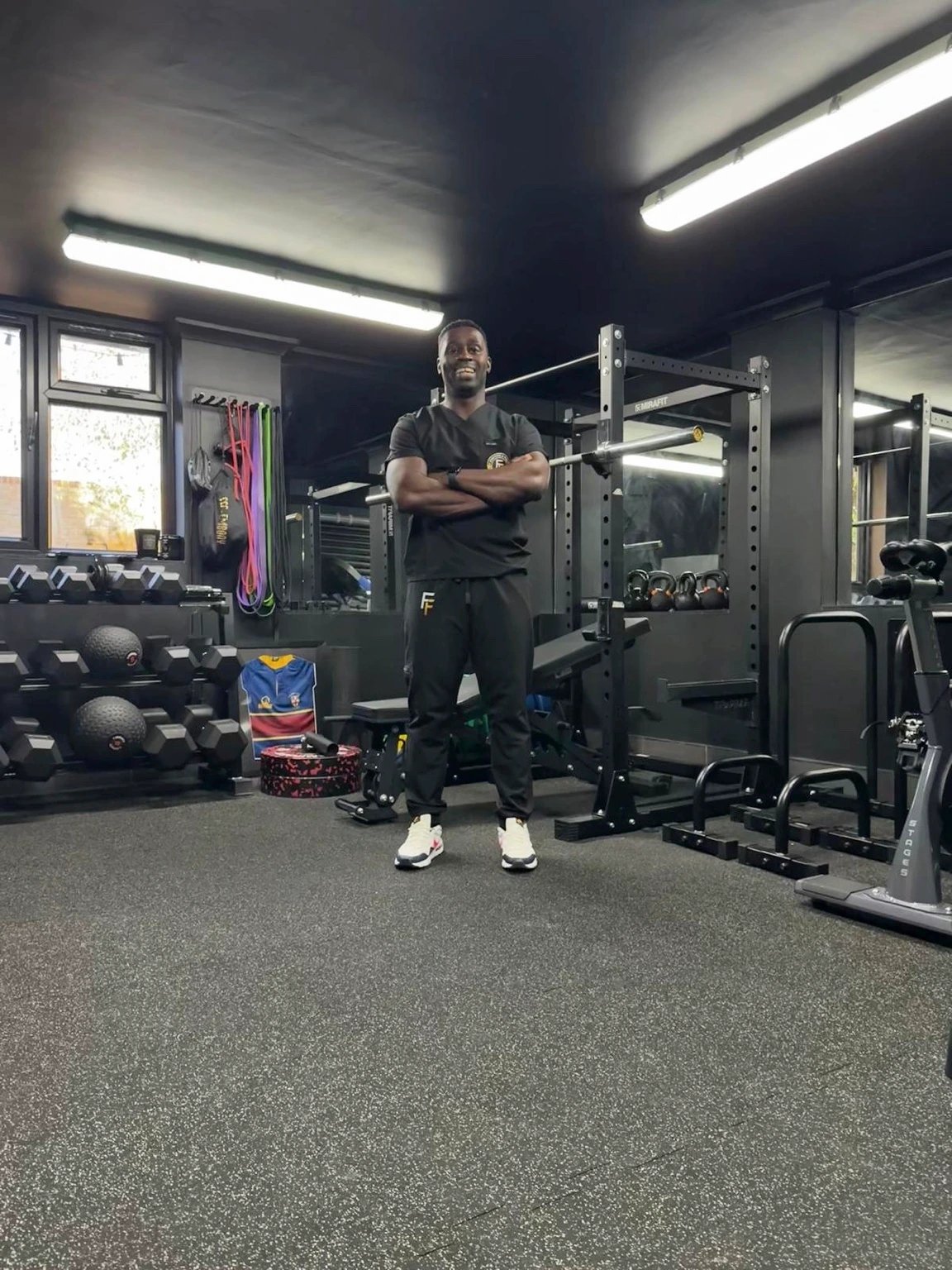
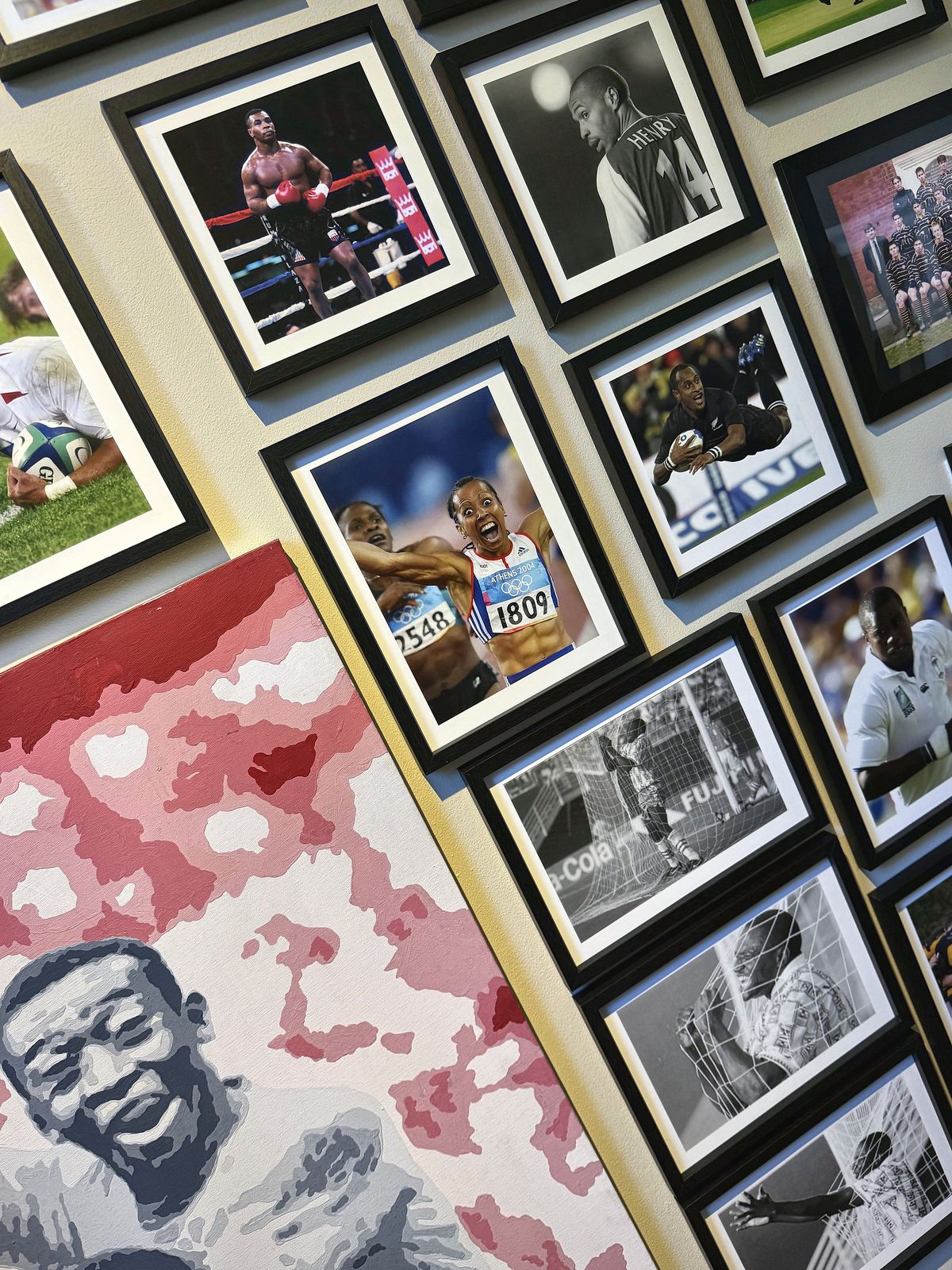
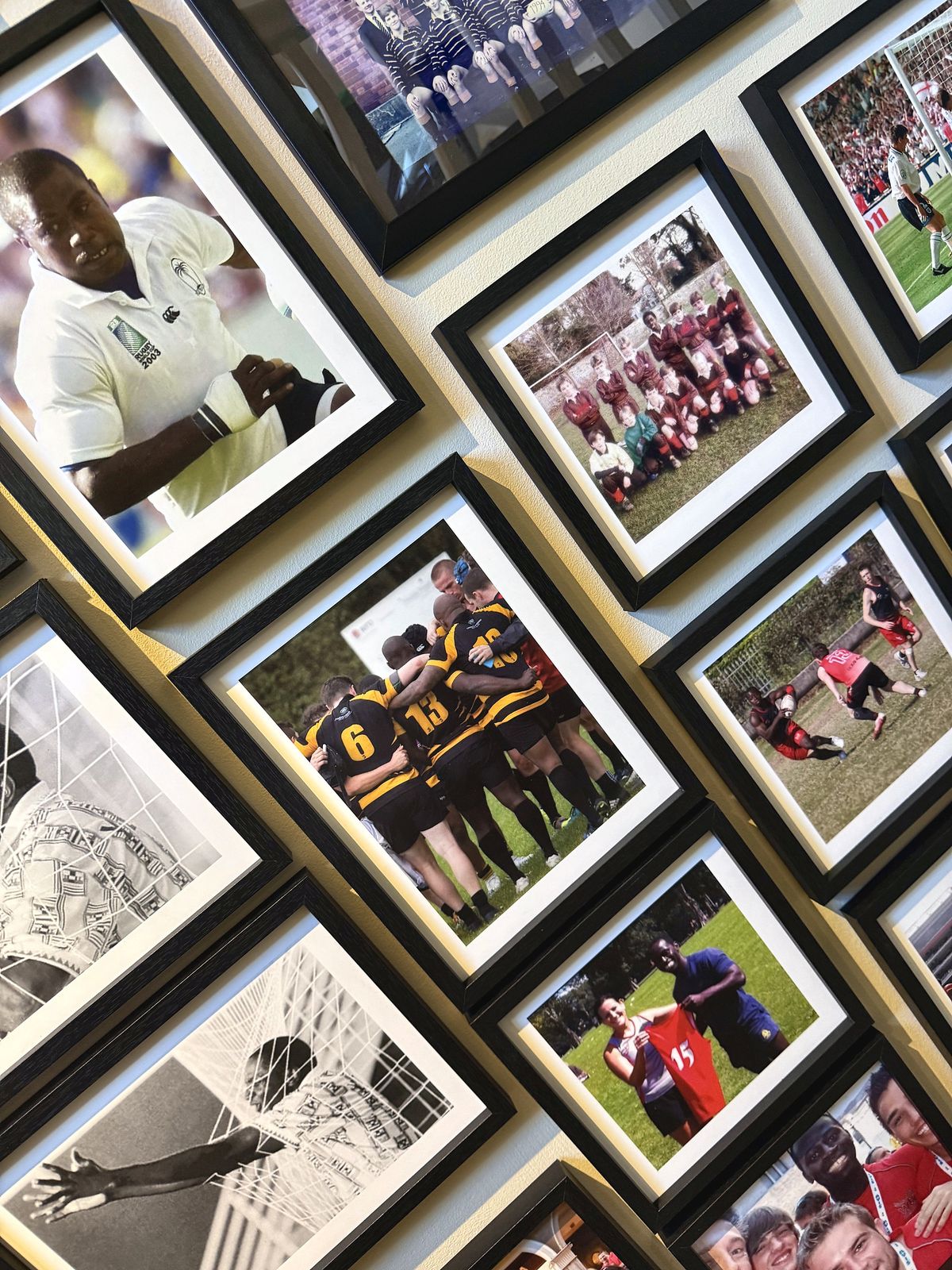
Sport came first. Rugby with Wasps Amateurs, international touch rugby representing Wales, judo (green belt), football, cricket and athletics. Along the way came the inevitable injuries and setbacks.
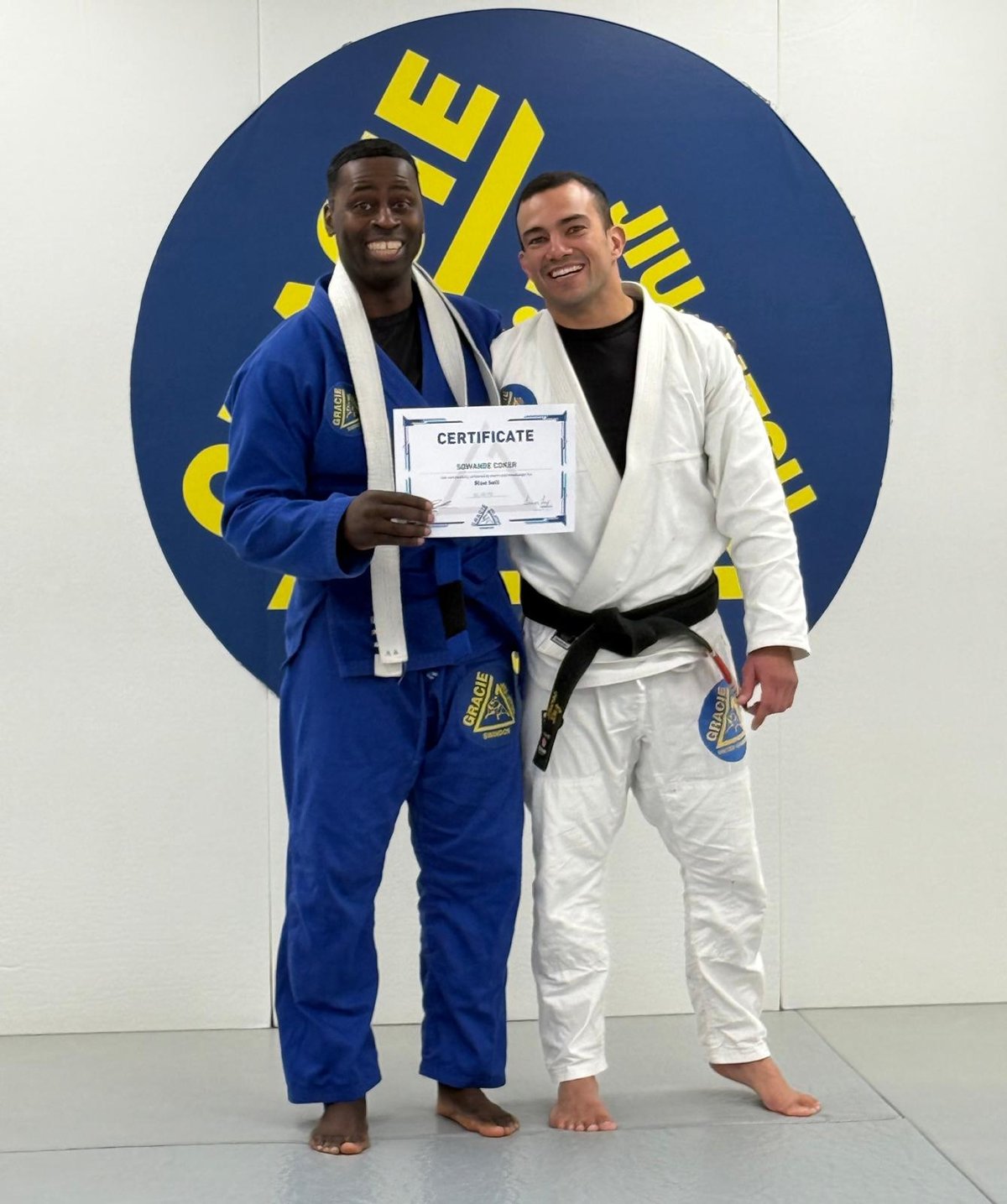
I eventually stepped away from rugby and took up Brazilian Jiu-Jitsu (blue belt at Swindon Grappling Academy). Six months later, I broke my arm badly enough to require surgery.
It became the most significant injury of my life, not simply because of its severity, but because it changed my understanding of rehabilitation and ultimately my career. At the time, I was working in executive recruitment. I had no idea that this injury would eventually lead me into sports and clinical therapy.
For the first time, I wasn’t simply asking when can I return? I was asking how can I rebuild myself to be better than before?
That thinking became the foundation for Built for Comebacks.
Built for Comebacks
Built for Comebacks isn’t about my own comeback or a claim that I have all the answers to someone else’s injury. It’s about celebrating the comeback itself: the journey, the resilience, the setbacks and the determination to move forward.
I’ve always been inspired by great sporting comebacks. Liverpool overturning a 3–0 deficit against AC Milan to win the 2005 Champions League. Tiger Woods returning from years of injuries and setbacks to win the 2019 Masters.
But comebacks aren’t reserved for sporting legends. Everyone has their own challenges, and every comeback matters to the person experiencing it.
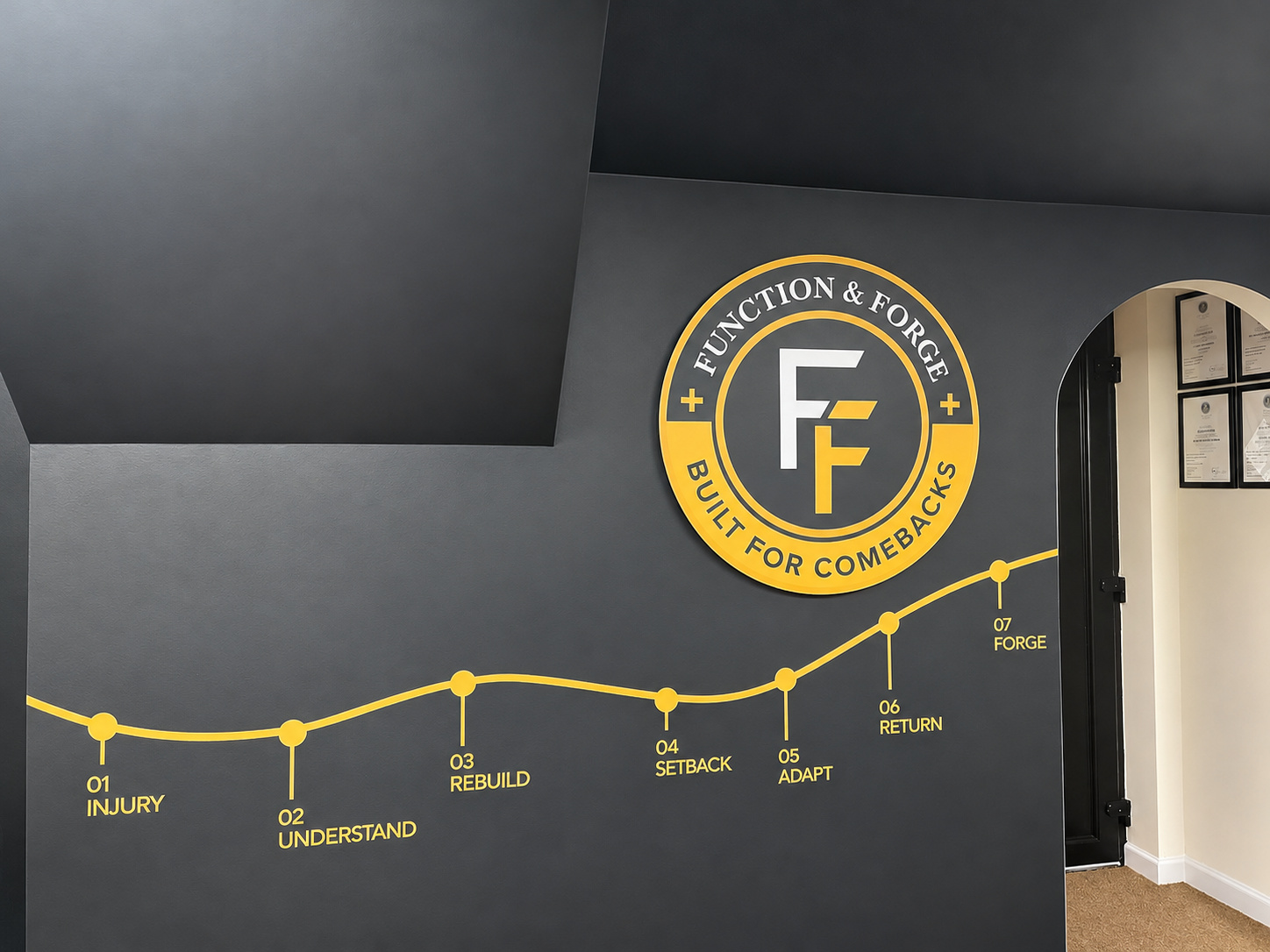
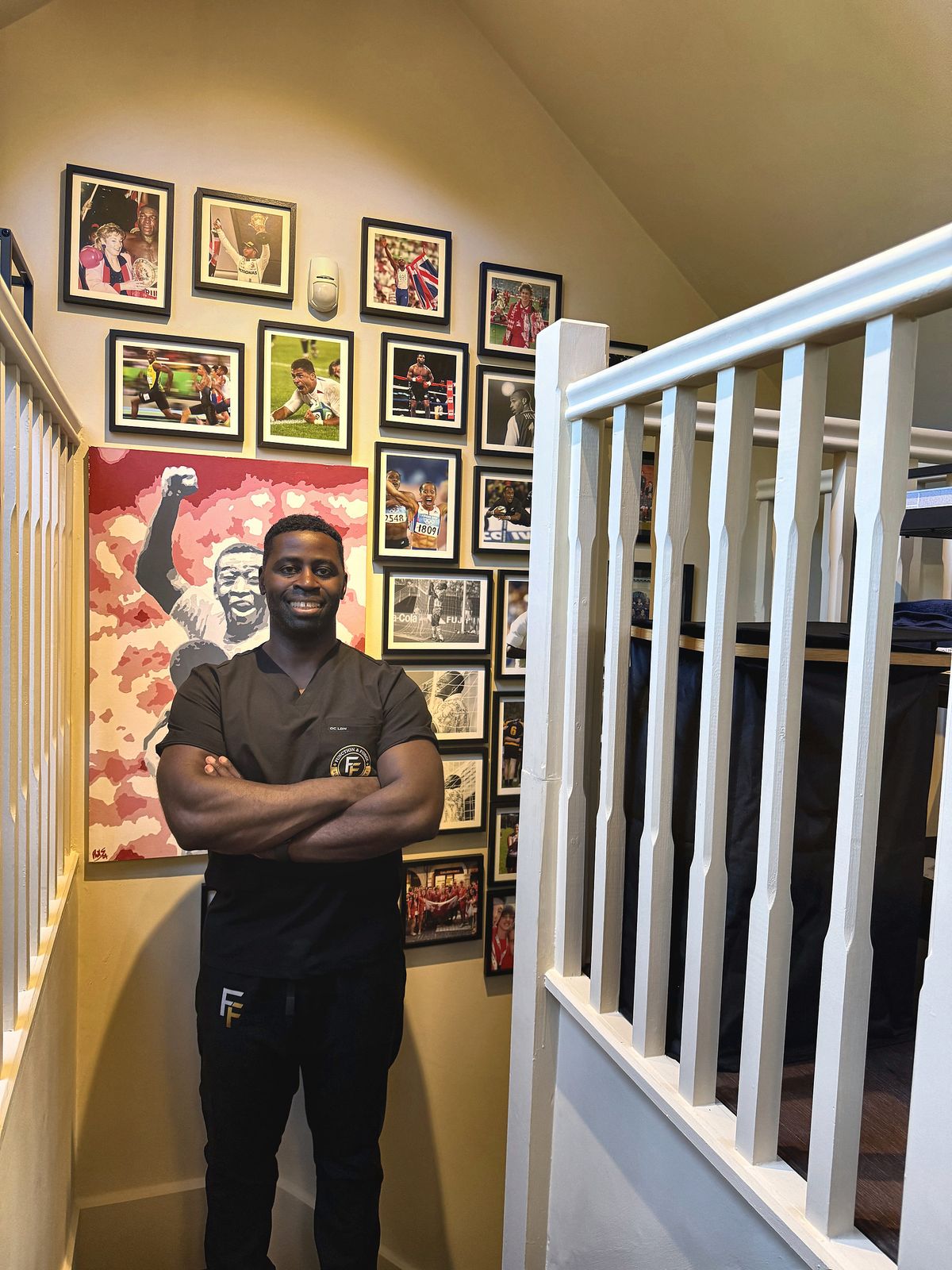
The journey is rarely linear. That’s what the comeback graph on the wall of the Forge represents: the peaks, setbacks, adjustments and determination to keep moving forward.
Rebuilding the Whole Person
Although my arm was broken, the rest of my body wasn’t. I continued cycling and single-limb training, discovering that rehabilitation should consider the whole person: strength, mobility, conditioning, confidence and mental wellbeing, including the psychological impact of injury.
Looking back, I’d never taken my injuries seriously enough. I’d always assumed my athleticism would prevail. It was time to change that.
My curiosity led to formal sports massage training, and I started a free treatment clinic at Gracie Jiu-Jitsu Swindon, supported by Head Coach Lucas Luz. This gave me hundreds of hours of crucial hands-on experience.
Further clinical education followed, and Function & Forge was born.
Bringing Experience Together
Before sports and clinical therapy, I qualified as a litigation lawyer and worked in senior recruitment within Global Elite law firms. Listening, questioning, analysing and helping people navigate complex decisions are skills I bring into the treatment room today.
I also provide pitchside injury support and first-aid services at Marlborough RFC.
My ambition is to help people progress from injury and rehabilitation towards the activities and sports that matter to them.
Not simply returning. Rebuilding with purpose.
Qualifications & Training
Level 3 CertificateMassage Therapy
Level 4 DiplomaSports and Remedial Massage
Level 5 Diploma | In ProgressSports and Clinical Therapy
Bachelor of Laws (LLB)Law
Legal Practice Course (LPC)Postgraduate Legal Training
Admitted as a SolicitorEngland & Wales | Non-Practising
Function & Forge is a sports therapy clinic. Treatment, rehabilitation and onward referral are provided within that professional scope.
How it works in practice
Understand the problem. Agree the next step.
Expect a practitioner who takes time over the problem, explains his thinking as he goes, involves you in the plan and tells you what the next step is.
If another professional is better placed to help, I’ll explain why and, where possible, help point you in the right direction.
Book an appointment